World War II and the Holocaust: A Guided Reading Plan
Exploring resources from institutions like The National WWII Museum provides crucial context for understanding this dark period.
These materials offer valuable insights into the events,
impact, and remembrance of WWII and the Holocaust, fostering deeper learning.
Educational tools, including images and articles, aid in comprehending the complexities of the era.
They support a guided reading activity, enabling students to analyze historical narratives and engage with survivor testimonies.
I. Historical Context of World War II
Understanding the pre-war landscape is fundamental to grasping the Holocaust’s origins. The Treaty of Versailles, imposed after World War I, fostered resentment and economic hardship in Germany, creating fertile ground for extremist ideologies. This period witnessed widespread political instability and the rise of aggressive nationalism across Europe.
The global economic depression of the 1930s exacerbated these issues, leading to mass unemployment and social unrest. In Germany, this fueled support for the Nazi Party, promising national restoration and economic recovery. The failure of democratic governments to address these crises contributed to the growing appeal of authoritarian regimes.
Appeasement policies adopted by Britain and France in the face of Hitler’s expansionist ambitions further emboldened Nazi Germany. The annexation of Austria and Czechoslovakia demonstrated the ineffectiveness of diplomatic efforts to contain German aggression. Resources like those from The National WWII Museum illuminate these crucial events, providing a foundation for analyzing the complex factors that led to the outbreak of war and the subsequent horrors of the Holocaust. A guided reading activity focused on these pre-war conditions is essential for students to comprehend the historical context.
II. The Rise of Nazi Germany
Analyzing the Nazi Party’s ascent reveals manipulation and exploitation of post-WWI discontent. Guided reading, utilizing resources like The National WWII Museum,
illuminates their propaganda and power consolidation.
III. Nazi Ideology and Antisemitism
Delving into the core tenets of Nazi ideology is paramount to understanding the Holocaust. A guided reading activity, enriched by resources from institutions like The National WWII Museum, should meticulously examine the pseudoscientific racial theories that formed the bedrock of their worldview. These theories, falsely positing Aryan supremacy, fueled a virulent strain of antisemitism that permeated all levels of German society.
Students must analyze primary source materials – excerpts from Mein Kampf, propaganda posters, and early antisemitic legislation – to discern how these ideas were disseminated and normalized. The activity should highlight the progression from subtle prejudice to overt discrimination, exploring the dehumanization of Jewish people through stereotypes and conspiracy theories. Examining the historical context of long-standing European antisemitism is also crucial, demonstrating how the Nazis built upon pre-existing biases.
Furthermore, the guided reading should address the role of propaganda in shaping public opinion and fostering hatred. Analyzing the techniques used – scapegoating, emotional appeals, and the creation of an “other” – will help students recognize similar patterns of prejudice in contemporary society. Ultimately, understanding the ideological foundations of Nazism is essential for preventing future atrocities and promoting tolerance.
IV. Early Stages of Persecution (1933-1939)
Guided reading should focus on discriminatory laws and escalating violence. Resources from The National WWII Museum illustrate boycotts, job losses, and social exclusion,
demonstrating the systematic dismantling of Jewish life.
V. Nuremberg Laws and Kristallnacht
Guided reading activities concerning the Nuremberg Laws must emphasize their legal framework for racial discrimination. Students should analyze how these laws – the Reich Citizenship Law and the Law for the Protection of German Blood and Honor – stripped Jews of their citizenship and prohibited marriage and relationships with non-Jews. Examining primary source excerpts from these laws is crucial for understanding their dehumanizing intent.
Focusing on Kristallnacht (“Night of Broken Glass”) requires exploring the escalation of violence. Utilize resources detailing the coordinated attacks on Jewish synagogues, businesses, and homes in November 1938. Students should investigate the role of the Nazi regime and its propaganda in inciting this pogrom. Analyzing eyewitness accounts and photographs from Kristallnacht will highlight the terror and destruction experienced by Jewish communities.
Discussion prompts should address the significance of these events as turning points. How did the Nuremberg Laws and Kristallnacht demonstrate the Nazi regime’s escalating persecution of Jews? What were the immediate consequences for Jewish individuals and communities? How did these events foreshadow the horrors of the Holocaust? Connecting these events to broader themes of prejudice, discrimination, and state-sponsored violence is essential for fostering critical thinking.
The National WWII Museum offers valuable resources for teaching these complex topics, providing historical context and supporting student understanding of this pivotal period.
VI. The Invasion of Poland and the Start of WWII
Guided reading should focus on Poland’s invasion as the catalyst for WWII, and the subsequent systematic persecution.
Resources from museums detail the escalating violence and its impact on Jewish populations.
Analyzing timelines and maps will illustrate the rapid expansion of Nazi control, setting the stage for the Holocaust’s implementation.
VII. The Establishment of Ghettos
Guided reading activities concerning the establishment of ghettos should emphasize their role as the initial phase of Nazi isolation and control of Jewish communities. Students should analyze primary source accounts detailing the horrific living conditions within these walled-off sections of cities.
Focusing on Warsaw, the largest ghetto, allows for a detailed examination of overcrowding, starvation, disease, and the systematic stripping of human dignity. Utilize historical photographs and maps to illustrate the physical constraints and the deliberate intent to dehumanize residents.
Discussion prompts should explore the purpose of ghettos – were they solely for isolation, or were they also intended as a means of economic exploitation and eventual deportation? Examining the roles of the Judenräte (Jewish Councils) is crucial, prompting debate about collaboration versus survival strategies.
Connecting to resources like those from The National WWII Museum can provide valuable context and survivor testimonies. Encourage students to consider the psychological impact of confinement and the breakdown of social structures within the ghettos. Analyzing the gradual escalation of restrictions and violence prepares students for understanding the “Final Solution.”
Activities could include creating timelines of ghetto establishment, mapping their locations, or writing diary entries from the perspective of a resident, fostering empathy and deeper comprehension.
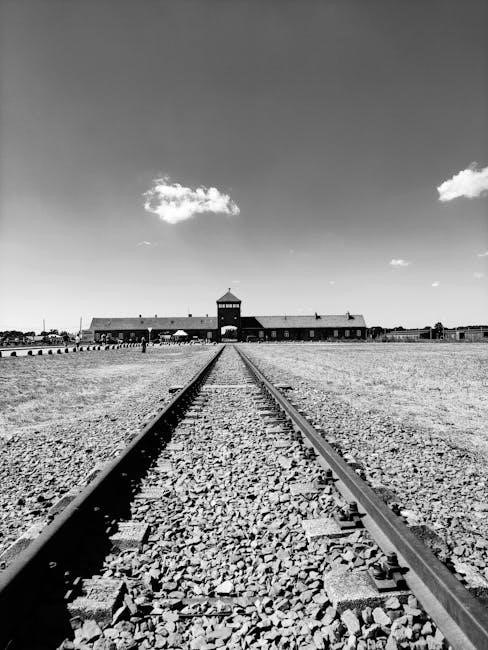
VIII. The “Final Solution” and Concentration Camps
Guided reading should explore the chilling evolution of Nazi policy, leading to systematic murder;
Resources from museums detail the horrors of camps,
and the “Final Solution’s” devastating impact on Jewish populations.
Analyzing documents reveals the bureaucratic nature of genocide, while survivor accounts personalize the tragedy.
IX. Auschwitz-Birkenau: A Case Study
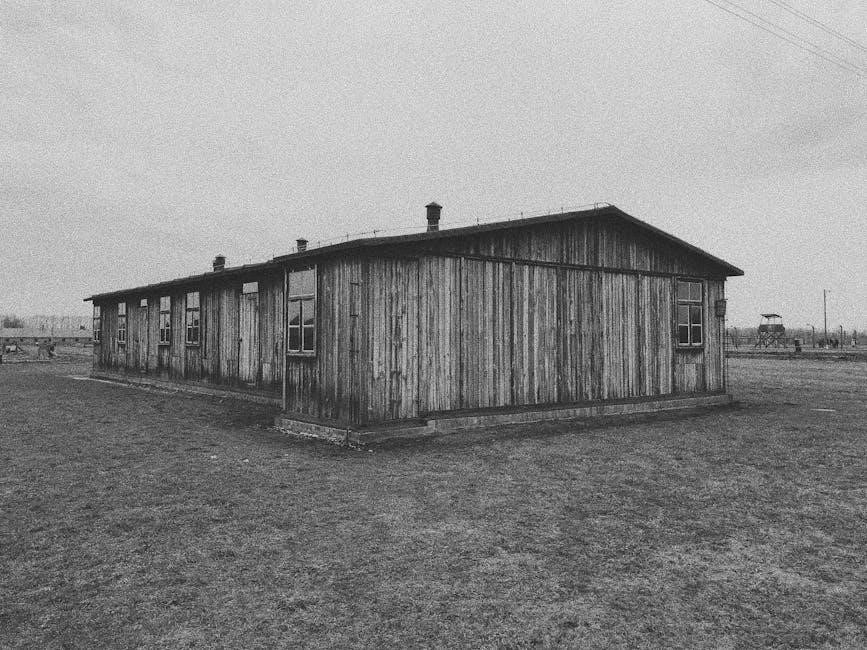
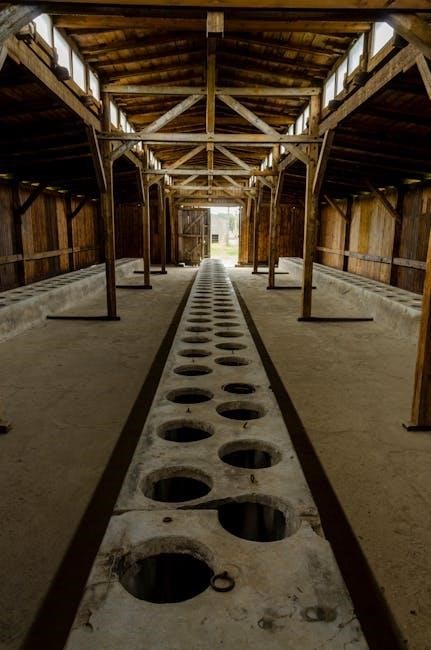
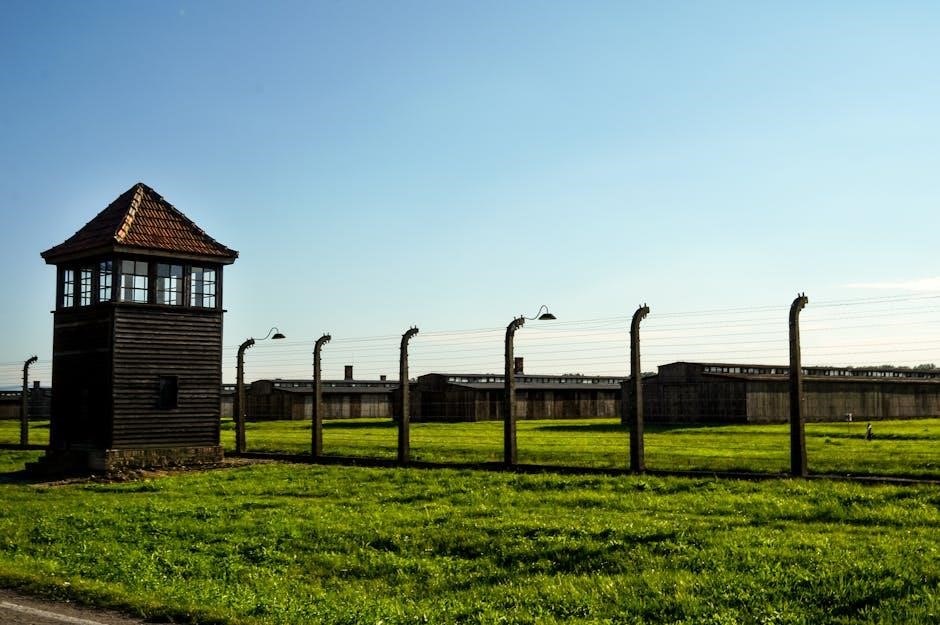
Auschwitz-Birkenau serves as a harrowing, yet essential, focal point for guided reading activities concerning the Holocaust. Its scale and documented processes exemplify the horrors of the “Final Solution” with chilling clarity. Students should analyze primary source materials – survivor testimonies, camp blueprints, and Nazi documentation – to understand the camp’s multifaceted function as a concentration, labor, and extermination center.
Guided questions should prompt examination of the selection process upon arrival, the brutal conditions within the barracks, and the mechanics of the gas chambers. Exploring the roles of perpetrators, collaborators, and victims is crucial. Resources from institutions like The National WWII Museum can provide visual aids and historical context, illustrating the dehumanization inherent in the camp system.
Furthermore, examining the liberation of Auschwitz by the Soviet army in January 1945 offers a powerful conclusion. Discussions should center on the immediate aftermath, the evidence of atrocities discovered, and the initial attempts to comprehend the magnitude of the tragedy. This case study allows students to grapple with the complexities of genocide and the importance of remembrance, fostering critical thinking and empathy.

X. Other Major Concentration and Extermination Camps
Expanding beyond Auschwitz, guided reading should explore camps like Treblinka, Sobibor, and Belzec.
Analyzing their unique functions and atrocities reveals the systematic nature of Nazi persecution,
deepening understanding.
XI. Resistance During the Holocaust
Exploring resistance is vital within a Holocaust guided reading activity, moving beyond victimhood narratives. Students should analyze diverse forms of defiance, recognizing courage in the face of unimaginable horror. This includes armed uprisings, like the Warsaw Ghetto Uprising, demonstrating desperate attempts to fight back against annihilation.
Beyond armed revolt, resistance encompassed spiritual resistance – maintaining faith and dignity – and acts of rescue. Individuals and groups risked their lives to hide Jews, providing food, shelter, and false identities. Examining these stories, like those highlighted by educational resources from institutions like The National WWII Museum, reveals profound moral courage.
Guided reading prompts should encourage students to consider the challenges faced by resisters. What motivated them? What were the risks? How successful were their efforts? Analyzing primary source accounts, such as diaries and testimonies, provides powerful insights. Discussing the complexities of resistance – its limitations and successes – fosters a nuanced understanding of this crucial aspect of the Holocaust.
Furthermore, students can investigate underground networks that forged documents, spread information, and organized escape routes. Understanding these multifaceted acts of resistance challenges simplistic portrayals of the Holocaust and honors the resilience of those who refused to be passive victims.

XII. Liberation of the Camps
Analyzing liberation through guided reading reveals the horrific conditions encountered by Allied forces.
Resources from The National WWII Museum detail the shock and the immediate aftermath,
emphasizing the scale of the atrocities discovered and the survivors’ plight.
XIII. The Nuremberg Trials and Accountability
Guided reading of the Nuremberg Trials unveils a pivotal moment in establishing international law and holding perpetrators accountable for the horrors of the Holocaust. Examining primary source documents and historical analyses, students can trace the legal proceedings against Nazi leaders, understanding the charges of war crimes, crimes against humanity, and conspiracy to commit aggression.
Resources like those from The National WWII Museum provide context for the trials’ significance, highlighting the efforts to document the atrocities and ensure justice was served. Analyzing the testimonies presented, students grapple with the complexities of assigning blame and the challenges of prosecuting individuals for systematic genocide. The trials weren’t simply about punishment; they aimed to establish a precedent for future international criminal courts.
A guided activity could focus on key figures – Hermann Göring, Adolf Eichmann (though tried later in Israel), and others – exploring their roles in the Nazi regime and their defenses during the trials. Discussions can center on the concept of individual responsibility versus following orders, and the lasting impact of Nuremberg on the development of human rights law. Ultimately, studying the Nuremberg Trials underscores the importance of accountability in preventing future atrocities and upholding the principles of justice.

XIV. Survivor Experiences and Testimonies
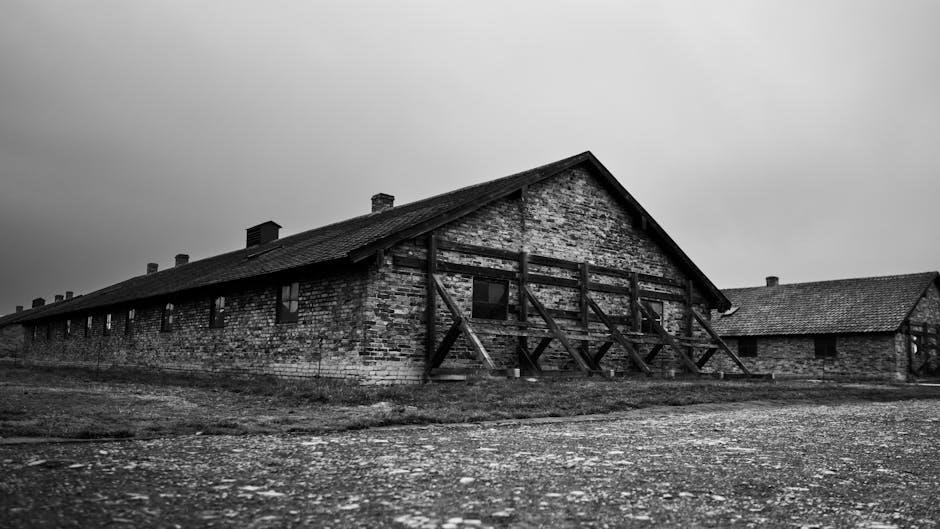
Guided reading of survivor accounts offers profound insights into the human cost of the Holocaust.
These firsthand narratives, often emotionally challenging, personalize history and foster empathy.
Analyzing these testimonies—supported by resources like The National WWII Museum—deepens understanding beyond statistics, revealing resilience and the enduring impact of trauma.
XV. The Impact of the Holocaust on Jewish Identity
The Holocaust profoundly reshaped Jewish identity, creating a rupture in continuity while simultaneously strengthening communal bonds and a commitment to remembrance. A guided reading activity, utilizing resources from institutions like The National WWII Museum, can illuminate this complex transformation.
Prior to the war, Jewish identity was multifaceted, encompassing religious observance, cultural traditions, and often, national affiliations. The systematic attempt to eradicate European Jewry challenged these foundations, forcing survivors and subsequent generations to grapple with questions of faith, belonging, and the meaning of Jewish existence.
The trauma of the Holocaust led to a renewed emphasis on collective memory and the imperative to “Never Forget.” This manifested in the creation of Holocaust museums, memorials, and educational programs, all aimed at preserving the stories of victims and ensuring that future generations understand the dangers of antisemitism and genocide.
Furthermore, the establishment of the State of Israel in 1948 was deeply influenced by the Holocaust, providing a refuge for survivors and a symbol of Jewish resilience. However, the Holocaust also sparked debates within the Jewish community regarding the appropriate response to trauma, the role of religion, and the relationship between Jewish identity and political Zionism. Guided reading can explore these nuanced perspectives.
Examining survivor testimonies, alongside historical analysis, reveals the enduring psychological and emotional scars of the Holocaust, impacting family dynamics and intergenerational transmission of trauma. Understanding these effects is crucial for fostering empathy and promoting healing.

XVI. Holocaust Remembrance and Education
Holocaust remembrance and education are vital to preventing future atrocities, fostering empathy, and upholding democratic values. Utilizing a guided reading activity, alongside resources like those offered by The National WWII Museum, is paramount in achieving these goals.
Remembrance takes many forms, including annual commemorations like Yom HaShoah, the building of memorials, and the preservation of survivor testimonies. These efforts ensure that the victims are not forgotten and that the lessons of the Holocaust remain relevant.
Education plays a crucial role in combating ignorance, prejudice, and antisemitism. Effective Holocaust education goes beyond simply recounting historical facts; it encourages critical thinking, ethical reflection, and an understanding of the complex factors that led to the genocide.
A guided reading approach allows students to engage with primary and secondary sources, analyze historical narratives, and explore the perspectives of both victims and perpetrators. This fosters a deeper understanding of the Holocaust’s causes, consequences, and enduring significance.
Furthermore, educational initiatives must address the dangers of denial and distortion, challenging misinformation and promoting historical accuracy. Resources from reputable institutions, like the Museum, provide reliable information and support for educators. Ultimately, remembrance and education are inextricably linked, forming a powerful defense against hatred and intolerance.