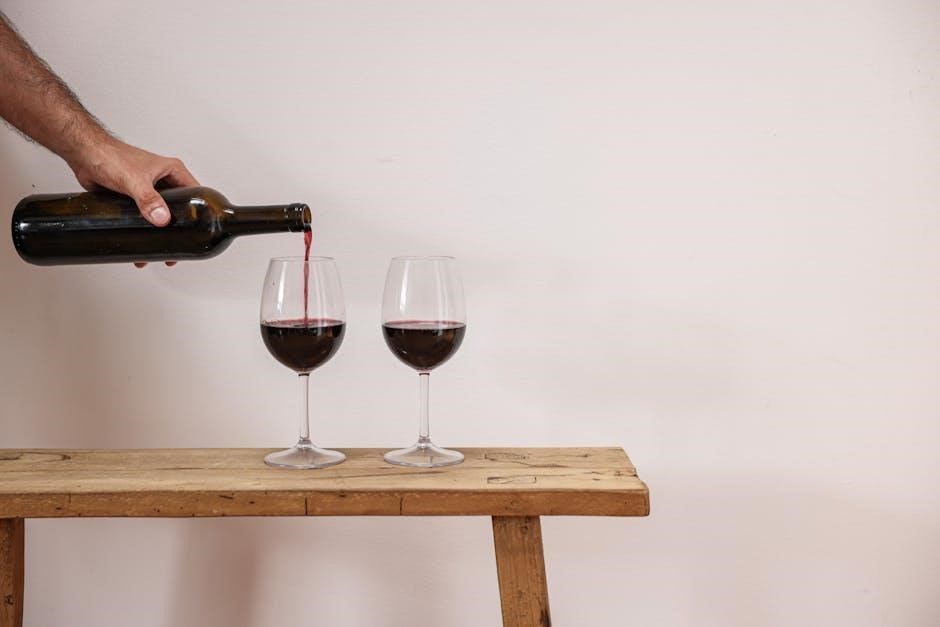
Embarking on a wine journey needn’t be intimidating! This guide simplifies the world of wine, offering accessible knowledge for newcomers to confidently explore and enjoy.
From understanding basic styles to mastering tasting techniques, we’ll demystify wine, making it a pleasurable experience for every palate and occasion.
Discover the fundamentals, learn to appreciate nuances, and unlock the secrets to selecting wines you’ll truly savor – it’s easier than you think!
What is Wine? A Basic Definition
At its core, wine is an alcoholic beverage made from fermented grapes. But it’s far more complex than that simple definition suggests! The process involves yeast consuming the sugars in grape juice, converting them into ethanol – the alcohol – and carbon dioxide.
Different grape varieties, growing conditions (terroir), and winemaking techniques all contribute to the vast spectrum of wine styles we enjoy. Wine isn’t limited to just grapes; other fruits can be fermented to create wine-like beverages, but legally, “wine” typically refers to grape-based products.
Historically, wine has been a significant part of culture and cuisine for millennia. From dry reds to sweet whites and sparkling rosés, understanding its basic creation is the first step to appreciating its diversity and enjoying the experience fully. It’s a beverage steeped in history, science, and artistry!
Why Learn About Wine?
Expanding your wine knowledge elevates your experiences, both social and culinary. It transforms ordering wine from a daunting task into a confident selection process, allowing you to find bottles you genuinely enjoy.
Understanding wine enhances food pairings, unlocking new dimensions of flavor in both the dish and the drink. It’s about more than just taste; it’s about appreciating the artistry and history behind each bottle, from the vineyard to your glass.
Learning about wine also fosters engaging conversations and deeper connections with others. It’s a shared passion that can enrich social gatherings and create memorable moments; Ultimately, it’s about discovering a world of sensory pleasure and expanding your palate!
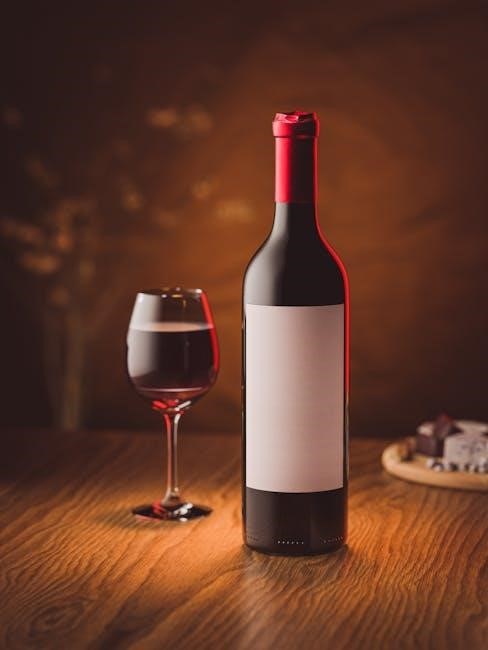
Understanding Wine Types
Wine broadly divides into red, white, and rosé, each with unique characteristics stemming from grape varietals, winemaking techniques, and regional influences.
Exploring these categories unlocks a diverse spectrum of flavors and aromas, catering to every preference and occasion.
Red Wine Varieties
Red wines gain their color from skin contact during fermentation, resulting in a diverse range of styles. Cabernet Sauvignon, known globally, offers bold flavors of blackcurrant and cedar, often with firm tannins.
Pinot Noir is lighter-bodied, showcasing red fruit aromas like cherry and raspberry, and is often described as elegant. Merlot provides a softer, plummier experience, making it approachable for beginners.
Syrah/Shiraz delivers spicy, peppery notes with dark fruit flavors, while Malbec, popular from Argentina, boasts rich plum and blackberry characteristics. Zinfandel offers jammy fruit and a hint of spice.
Understanding these key varieties provides a foundation for exploring the vast world of red wine, allowing you to identify preferences and discover new favorites. Don’t be afraid to experiment!
White Wine Varieties
White wines are typically made without skin contact, resulting in lighter-bodied and often crisper wines. Chardonnay is incredibly versatile, ranging from lean and mineral-driven (unoaked) to rich and buttery (oaked), displaying flavors of apple, pear, and citrus.
Sauvignon Blanc is known for its herbaceousness and zesty acidity, often exhibiting notes of grapefruit and passionfruit. Riesling offers a spectrum of sweetness, from bone-dry to lusciously sweet, with aromas of apricot and floral notes.
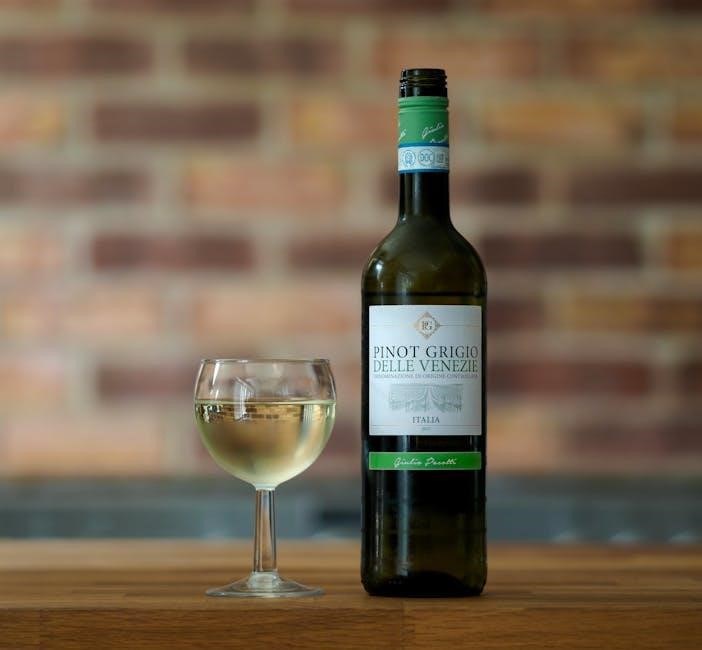
Pinot Grigio/Gris is light and refreshing, with subtle citrus and pear flavors. Gewürztraminer is aromatic and spicy, showcasing lychee and rose petal aromas. Moscato is delightfully sweet and bubbly, perfect as a dessert wine.
Exploring these varieties will help you discover your preferred style, from dry and crisp to sweet and aromatic – a delightful journey for the palate!
Rosé Wine: A Brief Overview
Rosé wines achieve their pink hue through brief contact with red grape skins. This process imparts a delicate color and unique flavor profile, falling delightfully between red and white wines. Rosé isn’t simply a blend of the two!
Styles vary greatly, from dry and crisp Provençal rosés, showcasing strawberry and citrus notes, to sweeter, fruit-forward options. Production methods include maceration (skin contact) and saignée (bleeding off juice during red wine production).
Popular grape varieties used in rosé production include Grenache, Syrah, Mourvèdre, and Pinot Noir. Rosé is incredibly versatile, perfect for warm weather and pairing with a wide range of foods, from salads to grilled seafood.
Don’t underestimate rosé – it’s a refreshing and enjoyable option for any occasion, offering a delightful alternative to traditional red or white wines!
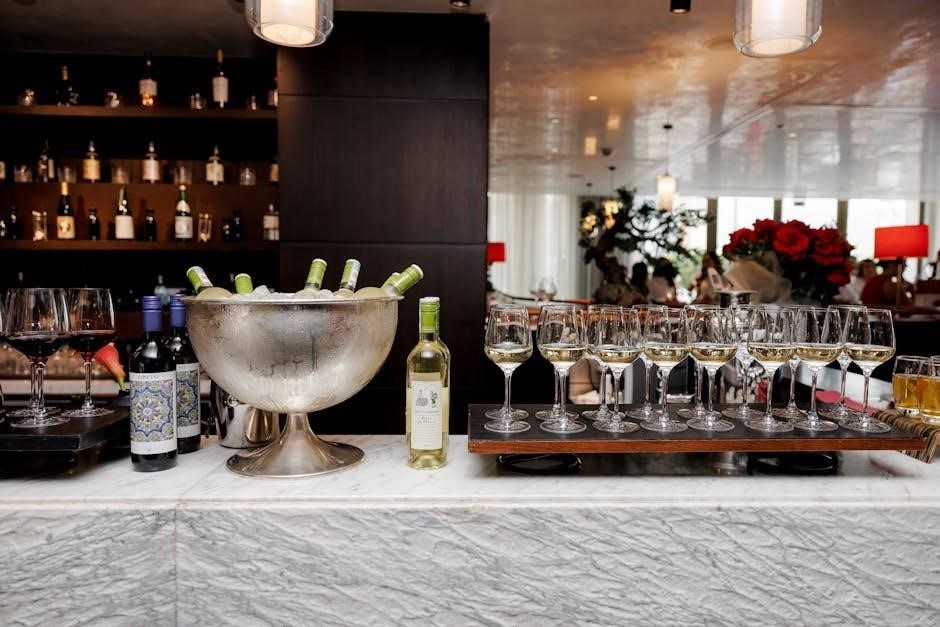
The 6-Step Wine Tasting Method
Unlock your inner sommelier with a systematic approach! This method guides you through evaluating wine, enhancing your appreciation and ability to articulate flavors.
From visual assessment to savoring the finish, each step builds upon the last, revealing the wine’s complexities and character.
Step 1: Sight ー Examining the Color
Begin by observing the wine’s color – it’s more informative than you might think! Tilt the glass against a white background, like a napkin or paper, to better assess the hue.
For white wines, color can range from pale straw to rich gold, indicating age; deeper colors often suggest oak aging. Red wines display shades from vibrant ruby to garnet, and eventually, brick red as they mature.
Clarity is also key. Is the wine clear, hazy, or cloudy? While slight haziness isn’t always a flaw, excessive cloudiness could indicate a problem. Look for the ‘legs’ or ‘tears’ that form on the glass after swirling – they hint at alcohol content and glycerol, contributing to the wine’s body.
These visual cues provide initial insights into the wine’s age, grape variety, and potential style, setting the stage for the sensory experience to come.
Step 2: Swirl ⎯ Releasing the Aromas
Swirling the wine is crucial for unlocking its aromatic potential! Gently rotate the glass in a circular motion, ensuring the wine coats the sides. This increases the surface area, allowing more volatile aroma compounds to evaporate and rise to the nose.
Don’t be afraid to swirl vigorously, but be mindful of spills! A good swirl creates ‘legs’ – streaks that run down the glass – indicating alcohol content and glycerol.
Swirling isn’t just for show; it actively releases the complex bouquet hidden within the wine. Think of it as aerating the wine, similar to letting a coffee bloom.
Take a moment after swirling to appreciate the aromas before taking your first sniff. This step prepares your palate for the flavors that await, enhancing the overall tasting experience.
Step 3: Smell ー Identifying the Aromas
Now, the fun begins – smelling the wine! Bring your nose close to the glass and inhale deeply, but gently. Don’t stick your nose in the wine, just above the opening. What do you detect?
Aromas can be incredibly diverse, falling into categories like fruit (citrus, berry, stone fruit), floral (rose, violet), spice (pepper, clove), and earthy (mushroom, forest floor). Don’t worry about being ‘right’ – it’s about your perception.
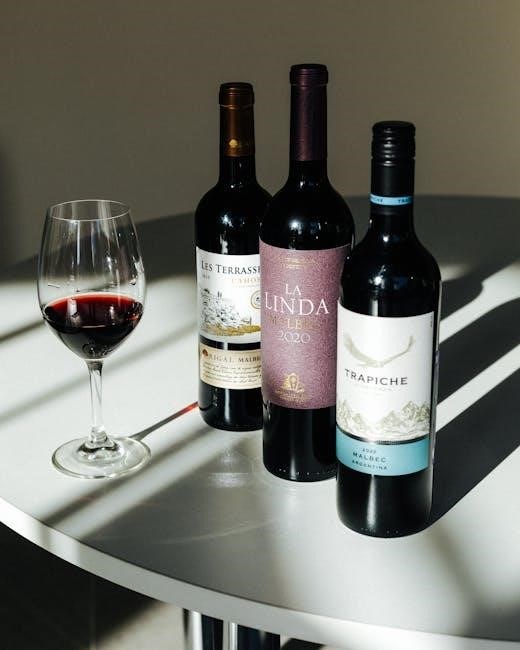
Beginners often struggle, so start with broad categories. Is it fruity or floral? Then narrow it down.
Consider what the aromas remind you of – even if it’s something unexpected! The more you practice, the easier it becomes to identify specific scents, building your ‘wine nose’ over time.
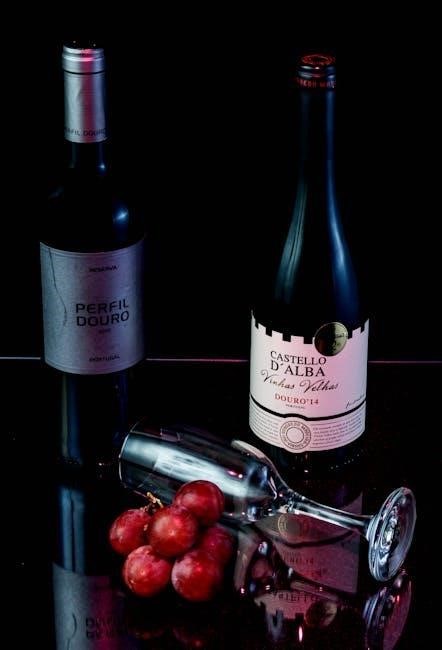
Step 4: Sip ⎯ Tasting the Wine
Time to taste! Take a moderate sip – enough to coat your entire mouth. Let the wine linger for a few seconds, swirling it around your tongue. Pay attention to the initial flavors that hit your palate.
Do the flavors match the aromas you detected? Are they fruity, spicy, or earthy? Notice the wine’s sweetness, acidity (that tartness), tannins (that drying sensation, more prominent in red wines), and body (how ‘heavy’ it feels in your mouth).
Don’t be afraid to gently draw in a little air through your teeth while tasting – this aerates the wine and releases more flavors.
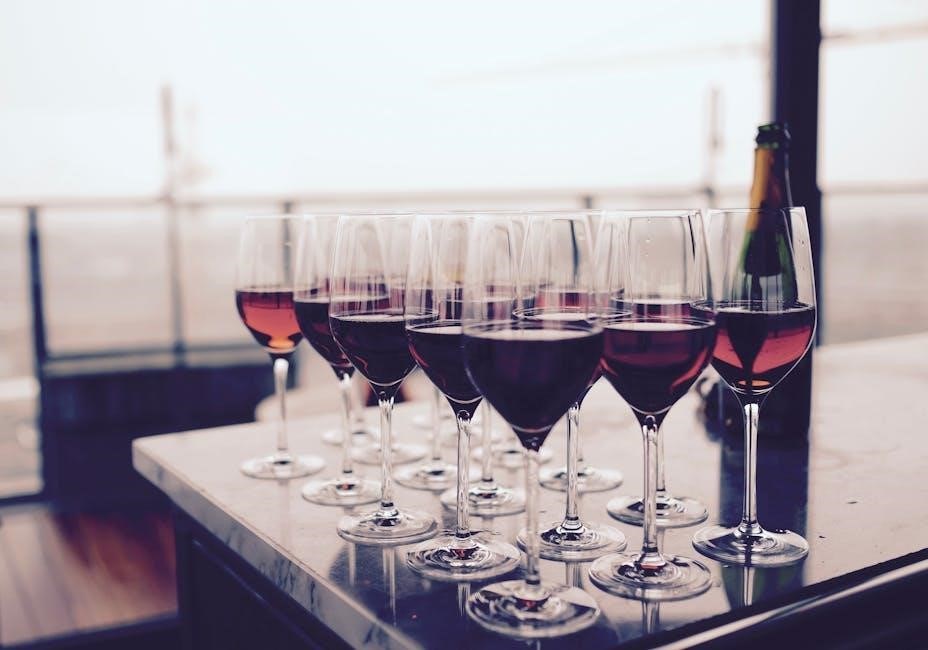
Focus on the overall balance and how the different elements work together. Is it harmonious, or is one element overpowering?
Step 5: Savor ⎯ The Finish and Aftertaste
The finish is crucial! After you swallow (or spit, if you’re tasting multiple wines), pay attention to the lingering sensations. How long do the flavors remain? A long finish is generally considered a sign of quality.
The aftertaste is what remains – is it pleasant? Does it echo the initial flavors, or does something new emerge? Note any changes in the sensations. Is the finish smooth, or does it leave a drying feeling?
Consider the length and complexity of the finish. A short, simple finish suggests a lighter wine, while a long, complex finish indicates a more substantial and well-made wine.
This lingering impression is a key component of your overall assessment and enjoyment of the wine.
Step 6: Summarize ー Forming Your Impression
Now, consolidate your observations! After evaluating sight, swirl, smell, and sip, it’s time to form a holistic impression of the wine. What are your overall thoughts?
Did you enjoy it? Why or why not? Consider the balance of flavors – were any elements overpowering? Was the wine complex or simple? Smooth or rough?
Don’t be afraid to use descriptive words, even if they seem basic. “Fruity,” “floral,” “earthy,” or “spicy” are all valid starting points. Relate the wine to experiences or foods you know.
Ultimately, your impression is subjective. There’s no right or wrong answer – it’s about what you perceive and enjoy. Trust your palate!
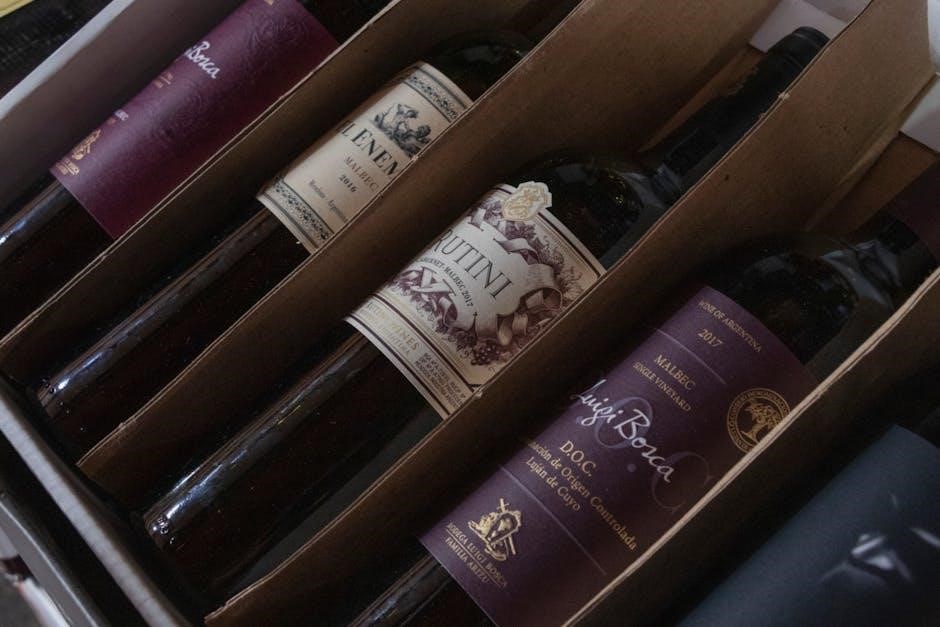
Wine and Food Pairing Basics
Elevate your dining experience! Discover how matching wine with food enhances flavors, creating harmonious combinations that tantalize your taste buds and delight your senses.
Understanding basic principles unlocks a world of culinary possibilities, transforming ordinary meals into extraordinary gastronomic adventures for every wine enthusiast.
Pairing Red Wine with Food
Red wines, generally bolder in flavor, pair beautifully with richer foods. Think about the weight of both the wine and the dish – you want them to complement each other, not clash.
Lighter-bodied reds like Pinot Noir are fantastic with salmon, mushrooms, and roasted chicken. Their earthy notes enhance these delicate flavors without overpowering them.
Medium-bodied reds, such as Merlot, shine alongside roasted pork, pasta with tomato-based sauces, and even grilled vegetables. They offer a versatile pairing option.
For hearty, flavorful dishes like steak, lamb, or rich stews, reach for full-bodied reds like Cabernet Sauvignon or Syrah. Their tannins cut through the fat, creating a balanced bite.
Don’t be afraid to experiment! Consider the sauce – a spicy sauce might call for a fruitier red, while a creamy sauce might benefit from a wine with higher acidity.
Pairing White Wine with Food
White wines, typically lighter and crisper, excel with seafood, poultry, and lighter fare. The key is to match the wine’s acidity with the dish’s richness, creating harmony on the palate.
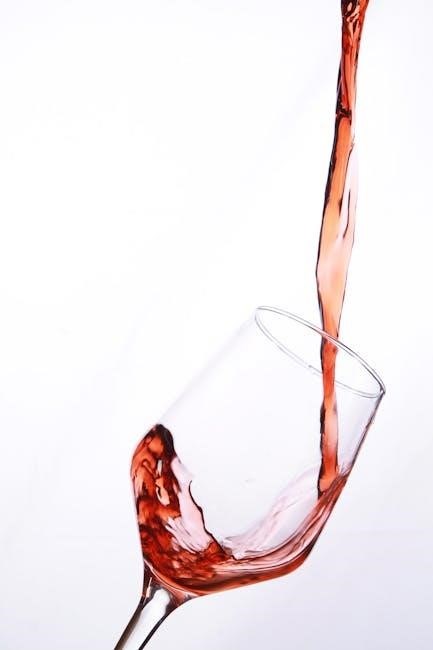
Light-bodied, dry white wines like Pinot Grigio or Sauvignon Blanc are perfect with shellfish, salads, and goat cheese. Their bright acidity cuts through richness beautifully.
Medium-bodied whites, such as Chardonnay (unoaked), pair wonderfully with roasted chicken, creamy pasta dishes, and pork tenderloin. They offer a bit more weight and complexity.
Richer, oaked Chardonnays can stand up to lobster, crab, or dishes with buttery sauces. The oak adds a layer of flavor that complements these luxurious ingredients.
Sweet wines, like Moscato, are delightful with fruit desserts or spicy Asian cuisine, offering a refreshing contrast. Don’t overthink it – enjoy the exploration!
Essential Wine Terminology
Decoding wine language unlocks a deeper appreciation! Understanding terms like “tannins,” “acidity,” “body,” and “finish” empowers you to articulate your tasting experience effectively.
These descriptors aren’t intimidating; they’re simply tools for describing the wine’s characteristics and enhancing your enjoyment of each sip.
Tannins and Acidity Explained
Tannins, often described as creating a drying sensation in your mouth, are naturally occurring compounds found in grape skins, seeds, and stems – and also in oak barrels used for aging. Think of the feeling you get from strong black tea; that’s tannins at work! They contribute to a wine’s structure and aging potential, being more prominent in red wines.
Acidity, on the other hand, refers to the crisp, refreshing quality in wine. It’s what makes your mouth water and balances out sweetness or richness. Like the zing in a lemon, acidity is vital for a wine’s vibrancy and longevity. Wines with higher acidity pair wonderfully with richer foods, cutting through the fat. Both tannins and acidity are key components influencing a wine’s overall balance and character, and learning to identify them is crucial for developing your palate.
Body and Finish Defined
Body refers to the weight and fullness of a wine in your mouth – essentially, how “heavy” it feels. Wines are generally categorized as light-bodied (like skim milk), medium-bodied (like whole milk), or full-bodied (like cream). Body is influenced by factors like alcohol content, tannins, and the grape varietal itself. Higher alcohol generally equates to a fuller body.
Finish describes the lingering sensation and flavors that remain in your mouth after you swallow the wine. A long finish is considered a sign of quality, indicating complexity and depth. Is it fruity? Spicy? Earthy? The finish provides a final impression and contributes significantly to the overall wine experience. Evaluating both body and finish helps you understand a wine’s structure and complexity.
Storing and Serving Wine
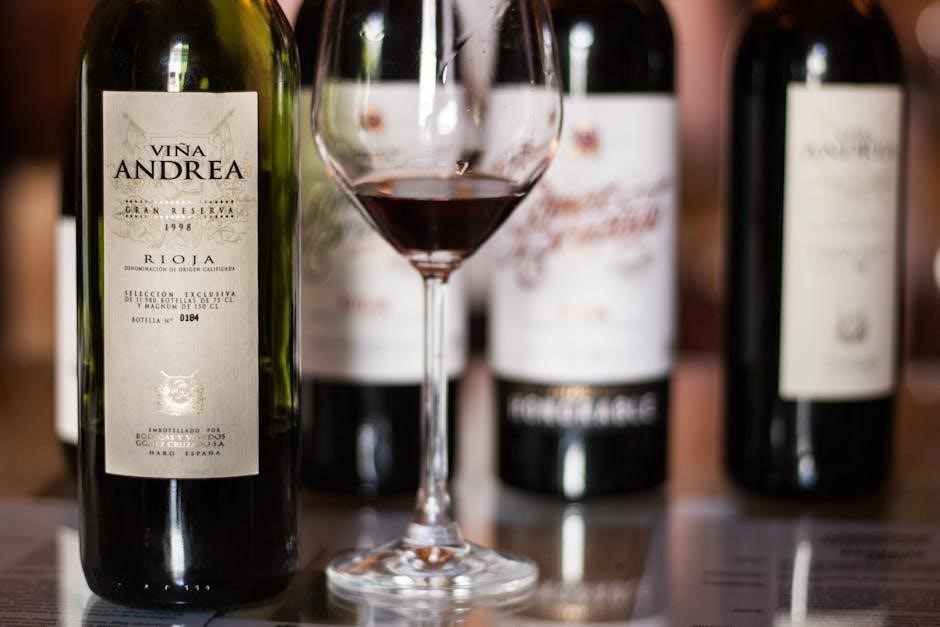
Proper storage preserves wine’s quality, shielding it from light, heat, and vibration. Serving at the correct temperature unlocks its aromas and flavors for optimal enjoyment.
Simple steps ensure your wine tastes its best, enhancing your experience and appreciating the nuances within each delightful glass.
Proper Wine Storage Conditions
Maintaining ideal conditions is crucial for wine preservation. Think cool, dark, and still – these are your guiding principles! The ideal temperature hovers around 55°F (13°C), though consistent temperatures are more important than hitting that exact number. Avoid fluctuations, as they can prematurely age the wine.
Darkness is key; UV light degrades wine, so store bottles away from direct sunlight or bright artificial light. A cellar or a dedicated wine fridge are excellent choices. If using a closet, ensure it’s dark and maintains a stable temperature.
Humidity should be around 70% to prevent corks from drying out, but don’t worry excessively if you can’t achieve this perfectly. Finally, minimize vibrations, as they can disturb the sediment and affect the wine’s aging process. Storing bottles horizontally keeps the cork moist!
Ideal Serving Temperatures
Serving wine at the correct temperature dramatically enhances its flavors. It’s not about personal preference, but about unlocking the wine’s full potential! Generally, lighter-bodied wines are best served chilled, while fuller-bodied wines benefit from being slightly cooler than room temperature.
Sparkling wines and light-bodied whites (like Pinot Grigio) should be chilled to 40-50°F (4-10°C). Medium-bodied whites (like Chardonnay) are lovely around 50-55°F (10-13°C).
Light-bodied reds (like Beaujolais) can be served slightly chilled at 55-60°F (13-16°C), while fuller-bodied reds (like Cabernet Sauvignon) are best around 60-65°F (16-18°C). Avoid serving red wine too warm, as it will taste flabby and lack structure. A quick chill in the fridge can help!