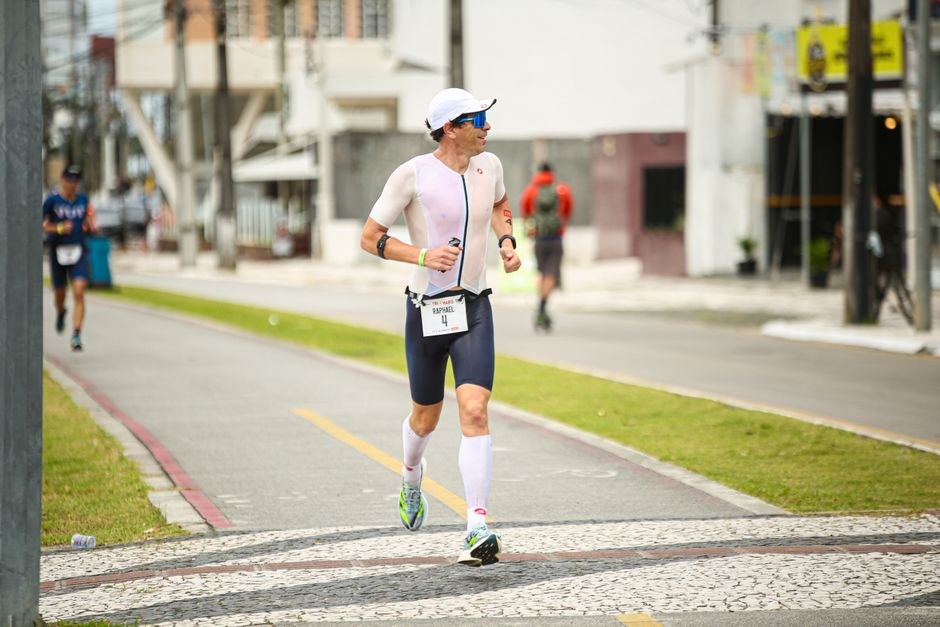
Downloadable PDFs provide 16‑ or 24‑week plans with clear weekly swim, bike, run, and cross‑training sessions. They feature tempo, interval, long‑distance, and brick workouts, plus strength, nutrition, and injury‑prevention guidance for 70.3 athletes.Printable charts, mileage targets, and pacing tables organized.
Overview of downloadable plans and their benefits for 70.3 athletes
Half‑Ironman training PDFs deliver a complete, downloadable roadmap that merges swimming, cycling, running, and cross‑training into a single, easy‑to‑follow schedule. Athletes receive a week‑by‑week layout that gradually raises volume and intensity, so beginners can build confidence while intermediate racers fine‑tune endurance. Because the files are digital, they can be printed, annotated, or synced with training platforms, keeping the plan visible on a wall, a phone, or a smartwatch. Each document also bundles core advice on fueling, basic strength drills, and simple injury‑prevention cues, eliminating the need to search multiple sources. Pacing tables for every discipline give clear targets that mirror typical 70.3 race effort, helping athletes gauge effort without guesswork. Mental‑preparation tips are woven throughout, encouraging a focused mindset on race day. The PDFs are freely available from reputable triathlon coaching sites, and updates can be downloaded instantly, ensuring the latest training science is always at hand. By consolidating schedule, nutrition, and durability guidance, the downloadable plan saves planning time, promotes consistency, and aligns training stress with built‑in recovery, increasing the odds of a strong finish at the half‑Ironman distance. The file format works on any operating system,can be opened on smartphones, tablets, or computers, and supports offline viewing, so athletes never lose access to their plan even when traveling to training new sites.
Program Duration and Cycle Design
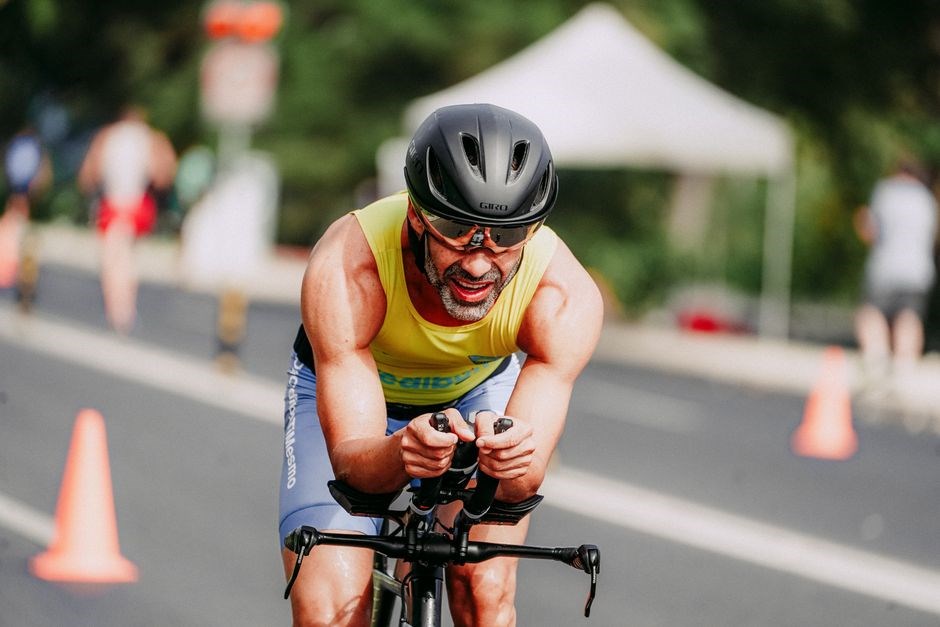
The PDF offers a 16‑ or 24‑week build, divided into four‑week cycles. Each cycle has three training weeks followed by a recovery week that cuts volume and intensity. This structure balances stress and adaptation, letting athletes peak safely for race day in training.!
Four‑week cycles: three training weeks followed by a recovery week in 16‑ or 24‑week plans
Each PDF is organized around a repeating four‑week macrocycle that forms the backbone of both the 16‑week beginner pathway and the more advanced 24‑week version. Weeks 1‑3 are dedicated to progressive overload: swim distance and intensity rise by roughly 10 % each week, bike volume climbs with a mix of steady‑state and tempo blocks, and run mileage is increased while introducing a short interval set to sharpen speed. The fourth week is a deliberate recovery block, cutting total training volume by 30‑40 % and swapping many high‑intensity sessions for easy swims, low‑cadence rides, and relaxed runs. This built‑in taper allows the body to consolidate gains, repair micro‑damage, and replenish glycogen stores before the next build phase. By repeating the cycle six times in a 24‑week schedule—or four times in a 16‑week schedule—athletes experience six distinct peaks that line up with key benchmark workouts and a final race‑specific simulation in the last build week. The PDF also flags “adaptation checkpoints” after each recovery week, prompting athletes to log perceived effort, heart‑rate trends, and any niggling aches. If the data suggest excessive fatigue, the plan recommends extending the recovery week by an extra day or swapping a brick session for a restorative yoga flow. Conversely, if the athlete feels strong, the next build can incorporate a slightly longer long‑bike or an additional tempo run, still respecting the overall 10 % weekly progression rule.Stay strong run.

Weekly Training Schedule and Volume
A typical week features three swims, three rides, and three runs, plus a cross‑training session or active recovery. Rest days are strategically placed to allow full recovery. Total weekly volume climbs 10 % each build week, capped at 30 % during recovery. A 30‑minute easy swim on rest day aids recovery, fatigue low.
Typical weekly breakdown: 3 swims, 3 rides, 3 runs, plus cross‑training and rest days
The standard week follows a nine‑session template: three swim workouts, three bike sessions, three runs, one cross‑training slot and at least one full rest day. This repeatable structure lets athletes track load, recover predictably, and fit the plan onto a single printable PDF. During the three build weeks the total training time typically rises by 10 % each week, while the recovery week drops the load to keep fatigue low and promote super‑compensation.
- Monday: Swim 45‑60 min, then 20‑min core circuit.
- Tuesday: Bike 60‑90 min, 30‑min easy run (brick).
- Wednesday: Swim 45 min technique, optional mobility.
- Thursday: Run 60 min intervals, brief upper‑body work.
- Friday: Bike long 90‑120 min, steady pace.
- Saturday: Swim 60‑75 min, 30‑min easy jog.
- Sunday: Run 90‑120 min, then rest or light stretch.
Cross‑training may be yoga, Pilates or a light elliptical session placed on Wednesday or Sunday. Every fourth week cuts total volume by roughly 30 % to promote adaptation; swim, bike and run times are trimmed to 30‑, 45‑ and 40‑minute easy efforts respectively. Athletes are encouraged to log each session in a training app, using the PDF’s suggested zones to monitor intensity and ensure the progressive overload aligns with the planned race‑day pacing strategy. Stay focused now.
Essential Workout Types and Repetition
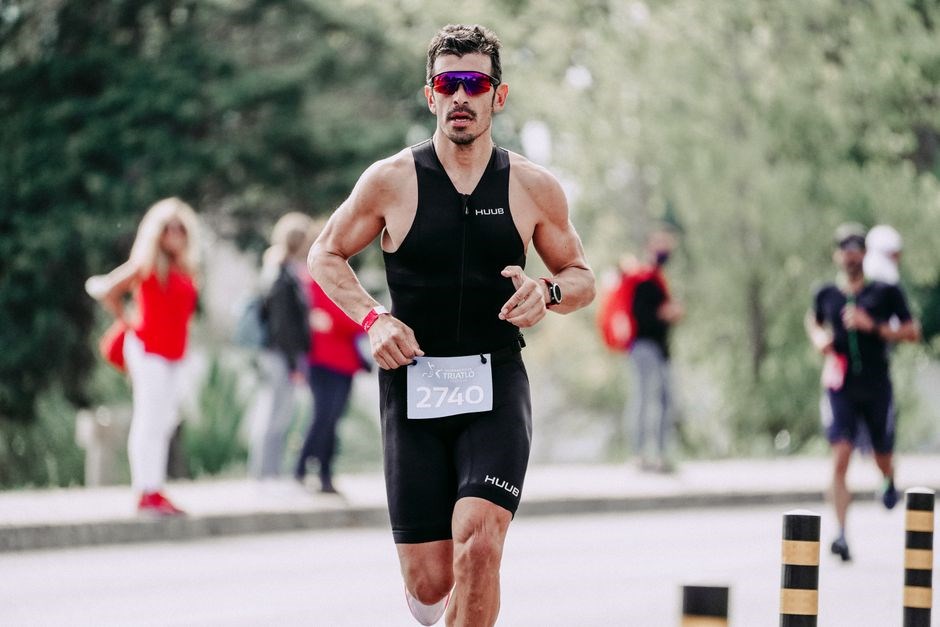
The plan emphasizes four core sessions—tempo, interval, long‑distance, and brick—repeated each cycle. By limiting variety athletes master pacing, improve efficiency, and reduce injury risk. Each week includes at least one of each, with intensity set into the PDF .

Focus on repetition over variety with key sessions: tempo, interval, long‑distance, and brick workouts
Each cycle in the PDF repeats four cornerstone workouts—tempo, interval, long‑distance, and brick—so athletes develop consistent adaptations while keeping the schedule simple. Tempo sessions sit just below race‑pace effort, sharpening lactate threshold and teaching steady pacing. Interval blocks alternate short, high‑intensity bursts (e.g., 3 × 800 m or 5 × 2 min) with recovery, sharpening speed and VO₂ max. Long‑distance workouts extend time on the bike or run, building aerobic endurance and mental stamina for the 70.3 distance. Brick workouts pair a bike segment immediately followed by a run, training the legs to transition smoothly and reducing the “jelly‑leg” feeling on race day. The plan schedules at least one of each type every three‑week build block, then inserts a recovery week where volume drops but intensity stays modest. By limiting variety to these proven formats, the PDF helps athletes focus on technique, pacing, and fatigue management rather than constantly learning new drills; Detailed tables list target duration, intensity zones, and suggested gear, allowing seamless import into training apps or printable calendars. Repetition also lowers injury risk because the body adapts to predictable loads, while progressive overload ensures steady fitness gains throughout the 16‑ or 24‑week program. Consistent repetition builds confidence, sharpens race‑day instincts, and turns each workout into a stepping stone toward a strong, injury‑free finishnow.
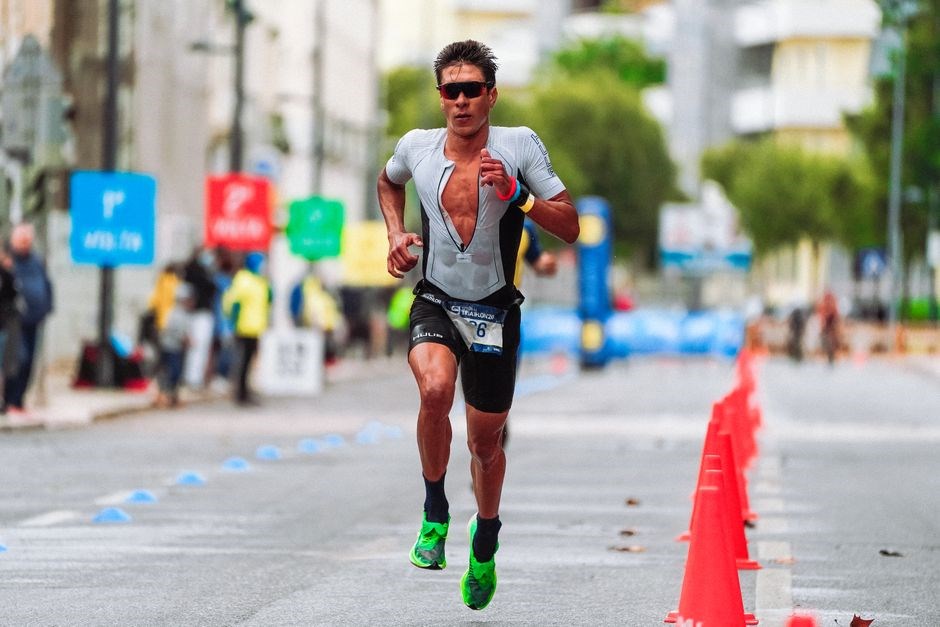
Strength, Nutrition, and Injury Prevention Overview
The PDF bundles core strength drills, fueling strategies, and pre‑hab exercises. Expect body‑weight circuits, core stability, and hill repeats paired with carb‑periodized meals, electrolyte timingand mobility routines to keep joints healthy16‑wk plan
Integrated strength drills, fueling strategies, and preventive exercises for durability
Each PDF outlines a concise, repeatable strength block that can be slotted on non‑key swim or bike days. The core circuit includes 3 sets of 12‑15 reps of push‑ups, single‑leg squats, plank‑to‑push‑up transitions, and reverse lunges, followed by 2 minutes of banded hip abductions to reinforce gluteal stability. Upper‑body work focuses on rows, shoulder taps, and medicine‑ball rotational throws to balance the heavy pulling demands of the bike. Lower‑body power is maintained with kettlebell swings and box jumps, ensuring the neuromuscular system stays primed for steep climbs. All strength sessions finish with a 5‑minute mobility flow targeting ankle dorsiflexion, thoracic extension, and hip flexor length, which reduces compensatory patterns that often lead to IT‑band irritation or patellofemoral pain. Fueling strategies are woven into the same pages. The plan recommends a three‑phase carbohydrate periodization: low‑glycemic meals on easy days, moderate‑glycemic intake on tempo workouts, and high‑glycemic, easily digestible sources (such as gels, fruit puree, or maltodextrin drinks) during long bricks and race simulations. Electrolyte timing is emphasized; a 250‑mg sodium tablet taken every 45 minutes during sessions longer than 90 minutes helps maintain plasma volume and prevents cramping. Protein distribution is set at 20‑25 g within 30 minutes post‑workout, paired with a 3:1 carbohydrate‑to‑protein ratio to accelerate glycogen restoration and muscle repair. Preventive exercises focus on joint resilience. The PDFs include daily ankle‑centric drills—heel‑walks, toe‑walks, and single‑leg balance on an unstable surface—to improve proprioception. Hip‑hinge patterns are reinforced with Romanian deadlifts using light dumbbells, while scapular retraction rows protect the shoulder girdle during long bike rides. A weekly “recovery sprint” of 10‑minute easy spin with high cadence (90‑100 rpm) promotes blood flow without adding fatigue. Together, these integrated strength drills, targeted nutrition cues, and injury‑prevention routines create a durable foundation that lets athletes sustain progressive overload across the 16‑ or 24‑week cycles without burnout. Keep on
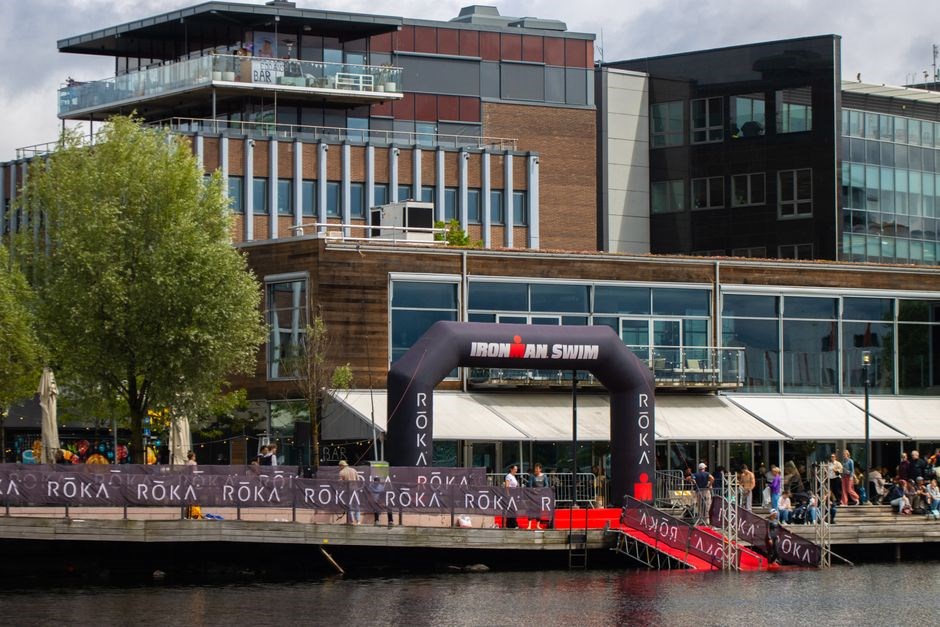
Race‑Day Gear, Pacing, and Strategy
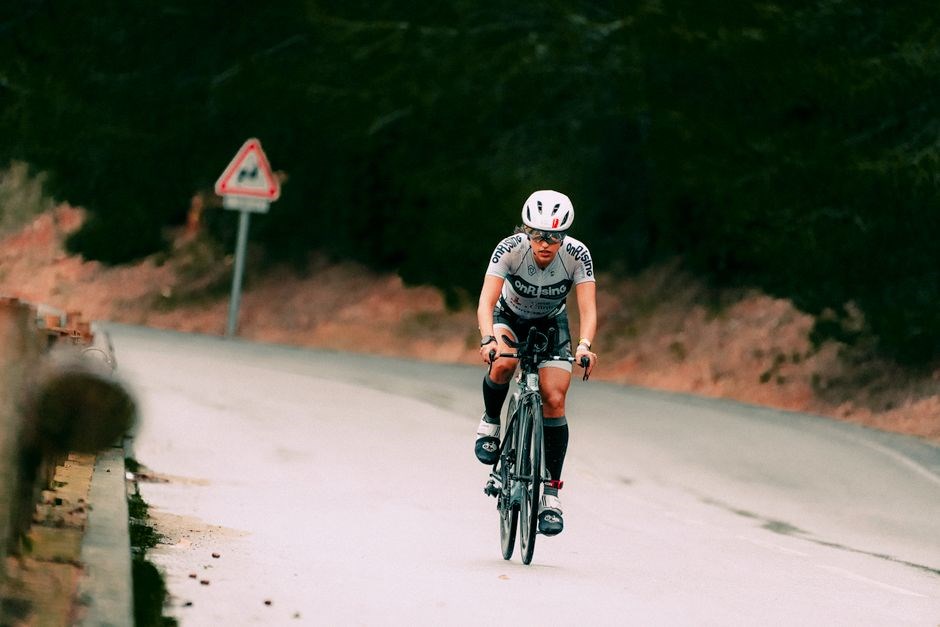
Use the same wetsuit, bike shoes, and helmet you trained in. Aim for a swim pace just below race‑pace, a bike power zone 5‑6 for the middle segment, and a run cadence of 170‑180 spm. Practice nutrition blocks to race day, and rehearse mental routine for transitions.!
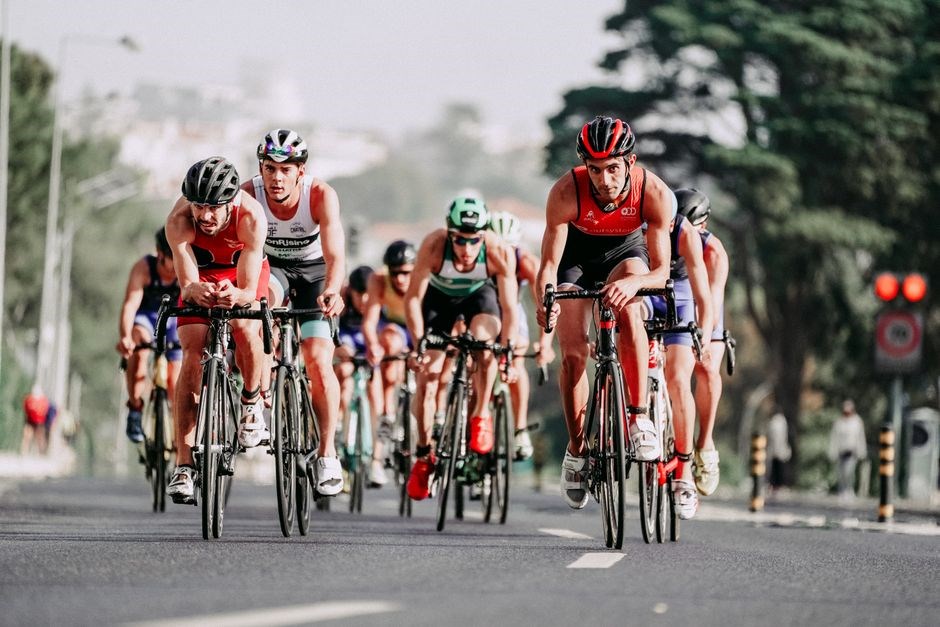
Recommended kit, pacing targets for each leg, and mental race‑day preparation
Mental preparation runs through the PDF’s checklist. Visualize transitions, rehearse the wetsuit zip, and repeat a short mantra (“steady, strong, finish”) during bricks. Two weeks before race day, wear the exact kit, practice the fuel plan (30 g carbs per hour), and do a 5‑km time trial. On race morning, follow a breath cycle for 3 minutes, reviewing pacing targets, focus sharp. Stay relaxed trust your training and enjoy the journey now.
Select a wetsuit that matches water temperature: 2‑mm for warm, 3‑mm for cool conditions, with a snug shoulder seal to cut drag. Pair it with anti‑fog goggles offering a wide field of view. On the bike, fit a frame to your geometry, install clip‑on aero bars, and use a calibrated power meter; keep tires at the recommended pressure for optimal roll. Choose shoes with a stiff sole and secure lacing, and wear blister‑proof socks. For the run, dress in a moisture‑wicking shirt, lightweight shorts, and a breathable hat. Practice transitions by arranging a mock aid station with helmet, shoes, and nutrition packets exactly as on race day, then time the switch to shave seconds.
During training, sip a 30 g carb drink every 20 minutes on the bike and take a gel with electrolytes every 45 minutes on the run. Test these exact brands in long bricks to ensure gut tolerance. On the run, use the cue “strong and steady” at each kilometer and breathe four inhales, four exhales to stay relaxed. Review pacing charts adjust power zones improves, and log how you feel to fine‑tune strategy before race day!!!.
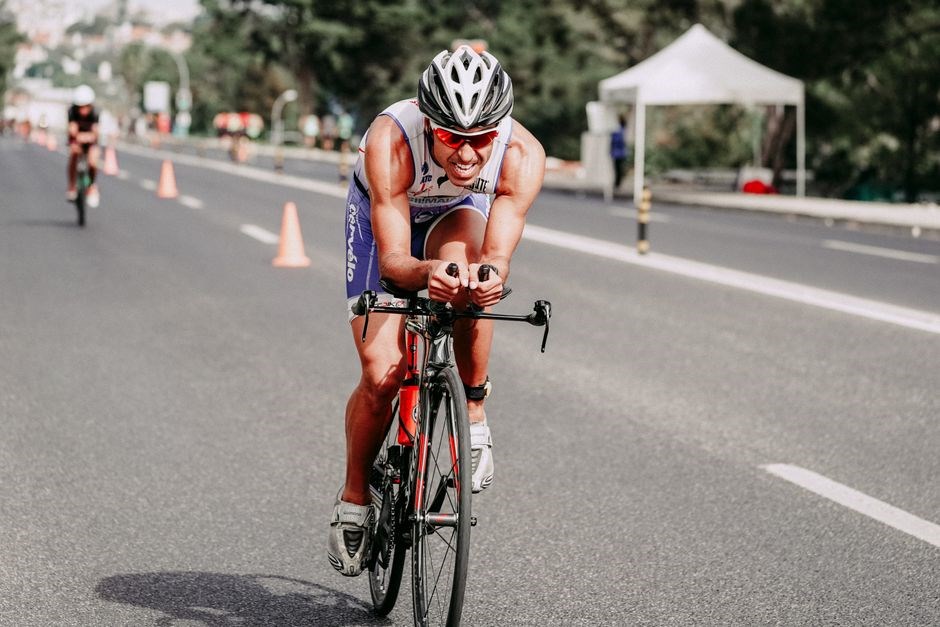
Accessing and Implementing the PDF
Official triathlon sites, reputable coaching blogs, and the author’s own page host free 16- or 24-week PDFs in .pdf or .txt format. Download, save to cloud, then import the file into TrainingPeaks, Final Surge, or Strava Sync. Follow the week-by-week calendar, adjust zones, and log each session. Keep a backup copy.
Reliable sources for PDFs, file formats, and how to use the plan in training apps
Trusted outlets for half‑iron PDFs include the official Ironman website, Coach’s personal sites, and community forums such as Reddit’s r/triathlon. Most PDFs are in standard .pdf format, while some coaches offer .txt or .csv for easier import. To use the plan, first download the file to your device. Open the PDF with a viewer that allows annotations; many athletes use Adobe Acrobat Reader or the built‑in viewer on iOS/Android. Next, import the schedule into a training platform. For TrainingPeaks, click “Upload” and select the PDF; the platform will parse dates and workouts, creating a calendar view. Final Surge accepts .csv files—convert the PDF to CSV using an online tool, then import. Strava Sync can read .fit or .tcx files; if the coach supplies these, simply sync your device and the plan will populate. Always cross‑check the parsed data for accuracy, adjust zones, and set reminders for each session. Maintaining a backup of the original PDF ensures you can re‑import if needed. When importing into apps, pay close attention to the date format; some platforms interpret month/day/year differently, which can shift your training calendar; After a successful import, review the scheduled workouts for any anomalies, such as duplicated sessions or missing rest days, and adjust accordingly to maintain a balanced workload. Finally, keep a backup of the original PDF and any exported files in a cloud folder so you can revert or share the plan with coaches or teammates and stay consistent.