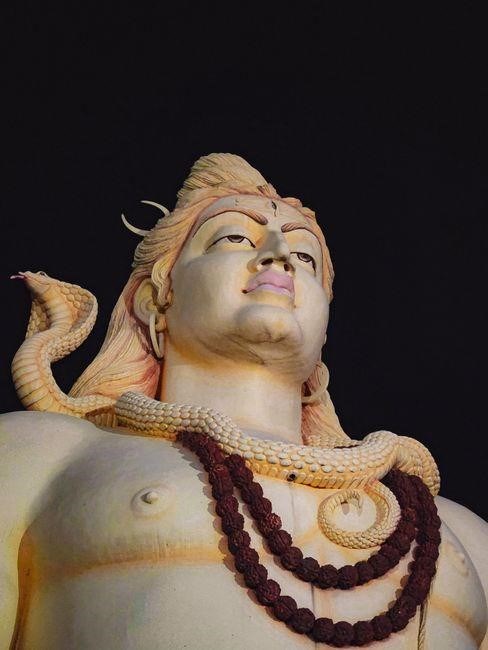
Rudram Chamakam, revered in Telugu devotional literature, offers a concise gateway to divine contemplation․ This PDF compiles verses, transliterations, and commentary, enabling scholars and devotees alike to engage deeply with its rhythmic, meditative essence․ Its rhythmic cadence invites reflection․ Now
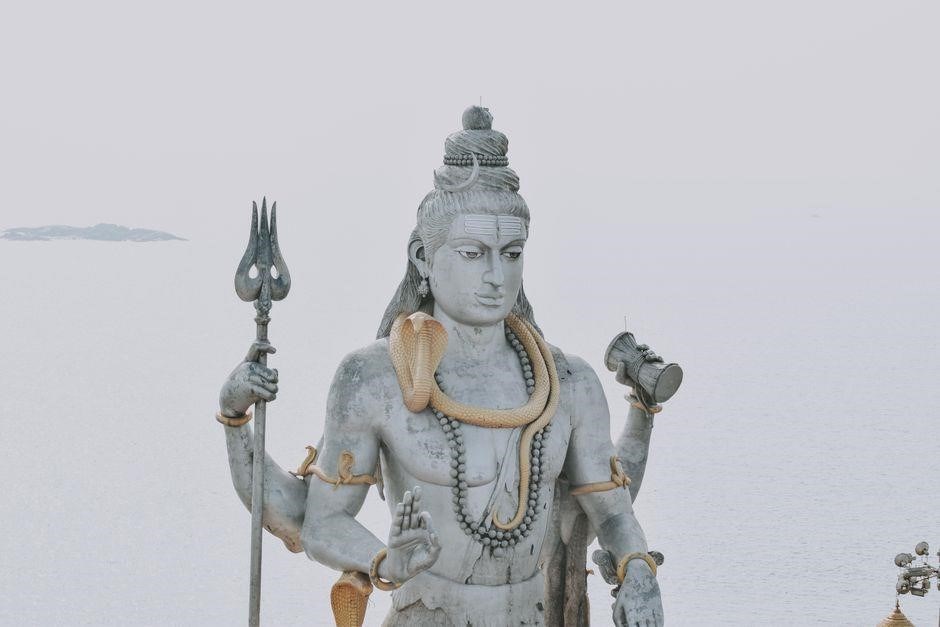
Historical Background
Rudram Chamakam traces back to Vedic hymns, evolving through centuries of Telugu scholarship․ Its roots intertwine with ancient rituals, while later commentaries reflect regional devotion․ The PDF preserves this lineage, offering context for contemporary study․ for scholars!!!
Origins of Rudram Chamakam
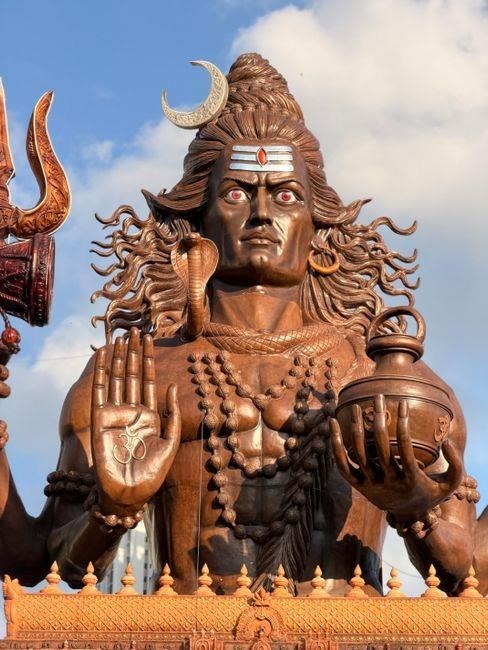
Rudram Chamakam’s lineage is rooted in the ancient Vedic hymns that celebrate the cosmic force of Rudra, the fierce yet benevolent deity․ The Rudram, a Vedic mantra, first appears in the Rigveda, where it is invoked as a powerful invocation for protection and liberation․ Over centuries, this hymn was adapted into various regional languages, each adding its own melodic and philosophical nuances․ In the Telugu tradition, the Rudram was embraced by early scholars who sought to render its profound metaphysical concepts into the local linguistic tapestry․ The Chamakam, meaning “a plea for all desires,” emerged as a complementary hymn, reflecting the devotees’ yearning for spiritual and material fulfillment․ This duality—Rudra’s cosmic power and Chamakam’s heartfelt supplication—was meticulously woven into Telugu literary circles during the medieval period, especially by the Bhakti movement’s poets who emphasized personal devotion over ritualistic formalism․ The earliest Telugu manuscripts that survive today, dating back to the 12th and 13th centuries, reveal a sophisticated interplay between Sanskritic rigor and indigenous poetic flair․ These manuscripts, often illuminated with vibrant illustrations, served not only as devotional guides but also as cultural artifacts that preserved the oral traditions of the time․ Scholars have traced the evolution of Rudram Chamakam through a series of commentaries that emerged during the Vijayanagara Empire, when Telugu literature flourished under royal patronage․ These commentaries, written in a blend of Sanskrit and Telugu, provided deeper exegesis, elucidating the symbolic meanings behind each verse and offering practical guidance for recitation․ The 17th and 18th centuries witnessed a surge in printed editions, as the advent of printing technology allowed for wider dissemination of these hymns․ The printed texts were often accompanied by transliterations and translations, making them accessible to a broader audience beyond the scholarly elite․ In the modern era, the digitization of these manuscripts has led to the creation of Telugu PDF resources that preserve the original script, provide accurate transliterations, and include scholarly annotations․ These PDFs serve as invaluable tools for both academic research and personal devotion, ensuring that the rich heritage of Rudram Chamakam remains vibrant and accessible to future generations․ Thus, the origins of Rudram Chamakam are a tapestry of Vedic tradition, regional linguistic adaptation, devotional fervor, and scholarly interpretation, all of which converge to form the enduring spiritual practice that continues to inspire devotees worldwide․
Evolution Through the Ages

The evolution of Rudram Chamakam from its Vedic roots to contemporary digital formats illustrates a dynamic interplay between tradition and technology․ Initially transmitted orally, the hymns were later codified in palm‑leaf manuscripts, each copy reflecting regional linguistic nuances․ As Telugu literary culture matured, scholars added commentaries that clarified symbolic meanings, thereby enriching devotional practice․ The 16th‑17th centuries saw the first printed editions, which standardized the text and made it accessible to a broader audience․ With the advent of the printing press in South India, publishers produced annotated volumes that combined Sanskrit transliterations with Telugu translations, catering to both erudite and lay devotees․ The 19th century introduced lithographic reproductions, allowing for wider distribution among rural communities․ In the 20th century, radio broadcasts and recorded recitations popularized the hymns beyond temple walls, fostering a sense of collective identity among Telugu speakers․ The late 20th and early 21st centuries witnessed a digital renaissance: scanned manuscripts were digitized, and PDFs were created to preserve original scripts while enabling easy sharing․ Modern PDF resources often include high images transliterations, scholarly notes ensuring that practitioners and academics engage with the text in depth․ This continuous evolution reflects the resilience of Rudram Chamakam, demonstrating how sacred literature can adapt to changing mediums while preserving its core spiritual essence․
Cultural Significance in Telugu Tradition
Rudram Chamakam occupies a central place in Telugu devotional life, serving as a bridge between ancient Vedic hymns and contemporary worship practices․ Its verses are recited at every major festival—Navaratri, Sankranti, Ugadi—and during household puja, where the rhythmic chant is believed to cleanse the space and invite divine grace․ The hymn’s vivid imagery of cosmic energy aligns with Telugu poetic sensibilities, inspiring countless kirtanas, bhajans, and folk songs that echo its themes․ In temples, the text is displayed prominently, and devotees often keep a printed copy in the sanctum, reinforcing a tangible connection to the divine․ Scholars study the hymns to trace theological developments, while teachers incorporate them into Sanskrit and Telugu curricula, fostering linguistic and cultural literacy among students․ The PDF format has expanded access, enabling diaspora communities to preserve their heritage and allowing researchers worldwide to analyze the text’s linguistic nuances․ This digital preservation also supports audio recordings, where singers adapt the verses into contemporary musical arrangements, further embedding Rudram Chamakam into everyday life․ The hymn’s influence extends beyond religious contexts into social cohesion; families gather to chant together, strengthening bonds and passing traditions to younger generations․ Moreover, the text’s meditative qualities are harnessed in modern wellness practices, where practitioners use the verses to cultivate mindfulness and spiritual focus; Through its verses, devotees find guidance on ethical living, fostering compassion, humility, and a sense of unity always that transcends social divisions for all generations daily․

Textual Structure
The Rudram Chamakam PDF presents a clear layout: the Rudra Hymn, followed by the Chamakam Hymn, each with verses, transliterations, and commentary․ Variants and patterns are highlighted, enabling readers to navigate the text’s rhythmic flow․ Its invites deeply contemplation daily․

The Rudram section of the PDF presents the ancient Vedic hymn dedicated to Lord Shiva, known as the Rudra Hymn․ It opens with verses that invoke Rudra’s cosmic energy, setting a tone of reverence and awe․ Each stanza appears in Telugu script with a precise transliteration, enabling accurate pronunciation․ Interspersed commentary offers insights into symbolic meanings, such as Rudra as the destroyer of ignorance and guardian of cosmic balance․ The PDF includes musical notation for chanting in traditional rhythm, preserving the oral tradition’s melodic structure․ It highlights rhythmic patterns, noting specific meters aligned with Vedic chanting conventions․ This meticulous arrangement preserves authenticity while making the hymn accessible to contemporary audiences seeking spiritual enrichment․ The section concludes with a reflection on the hymn’s relevance in modern devotional practices, encouraging integration into daily meditation or worship routines․ For scholars, the PDF provides cross‑references to Sanskrit sources and lists key verses cited in classical commentaries, offering a scholarly trail․ For practitioners, suggested auspicious times for chanting are noted․ The layout emphasizes readability, with ample line spacing and clear headings for each verse group․ Visual aids such as color‑coded sections for verses, transliterations, and commentary enhance user experience, making the complex Vedic text approachable․ This thoughtful design reflects dedication to preserving spiritual depth while embracing modern digital accessibility and now
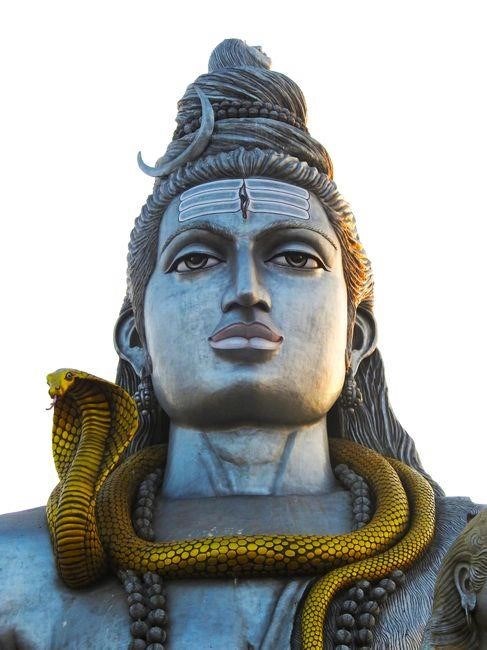
Chamakam Hymn (Chamakam)
The PDF also provides audio recordings of the hymn, allowing listeners to practice with pronunciation rhythmic precision․ Additionally, a glossary of key terms is included, ensuring clarity for depth and practitioners alike so․!
Recitation Variants and Patterns
The Rudram Chamakam PDF offers multiple recitation frameworks tailored to diverse devotional contexts․ Traditional chanting follows a cyclical pattern of 12 verses, each repeated thrice, aligning with the rhythmic pulse of the kirtan style․ For those seeking a more meditative approach, a condensed version reduces the cycle to six verses, each sustained for a full minute, allowing deeper absorption of the mantra’s vibrational energy․
Another variant incorporates a call‑and‑response format, where the leader intones a verse and the congregation echoes, fostering communal unity and reinforcing the chant’s sonic resonance․ This interactive mode is especially popular in temple festivals and group meditation sessions․
For advanced practitioners, the PDF includes a “slow‑motion” rendition, spacing each syllable by a deliberate pause, thereby highlighting phonetic nuances and facilitating precise breath control․ This method is recommended for those studying the linguistic structure of the hymn or preparing for a public recitation․
Each variant is annotated with timing cues, suggested breathing patterns, and optional musical accompaniment guidelines․ Users can customize the tempo from 60 to 120 beats per minute, ensuring the chant remains accessible to beginners while still offering depth for seasoned devotees․
Each variant is annotated with timing cues, suggested breathing patterns, and optional musical accompaniment guidelines․ Users can customize the tempo from 60 to 120 beats per minute, ensuring the chant remains accessible to beginners while still offering depth for seasoned devotees․
The PDF also integrates a visual guide, mapping each verse to its corresponding Sanskrit transliteration, enabling users to cross-reference and deepen their linguistic understanding during practice․
Telugu PDF Resources
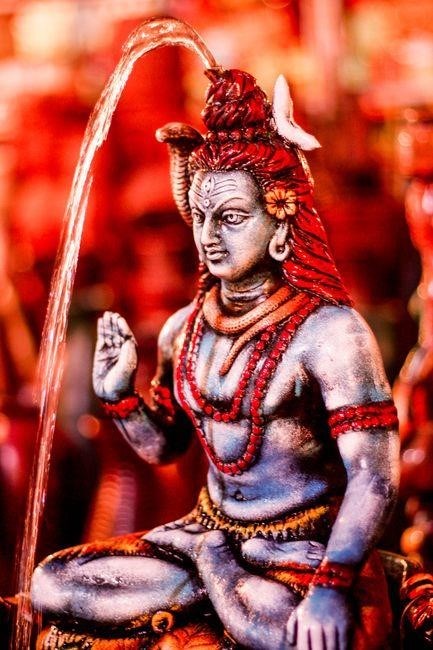
Explore curated collections of Rudram Chamakam PDFs in Telugu, featuring authentic manuscripts, modern translations, and scholarly annotations․ Access free downloads, verify copyright, and utilize community libraries for academic research and devotional practice․ for all
Official Websites and Libraries
Official websites and libraries provide authenticated, high‑resolution PDFs of the Rudram Chamakam in Telugu․ The National Library of India hosts digitised manuscripts, while the Tirumala Tirupati Devasthanams (TTD) portal offers free downloads of the hymns with Sanskrit transliteration and Telugu commentary․ The Digital Library of India (DLI) archives include scanned volumes from the 19th and early 20th centuries, preserving original calligraphy and marginal notes․ The Andhra Pradesh State Archives maintain a collection of rare editions, accessible through their online catalogue with ISBN references․ For academic use, the University of Hyderabad’s Department of Sanskrit and Telugu houses a digital repository of annotated copies, allowing researchers to cross‑reference verses with commentaries by scholars such as Dr․ K․ V․ Raju․ The Sree Ramanuja Mission’s e‑library hosts a curated selection of PDFs, complete with audio recitations and guided meditation scripts․ All these platforms provide metadata, publication dates, and author credentials, ensuring that users can verify authenticity before downloading․ Regular updates are posted on the official sites, and many offer subscription alerts for new releases or digitisation projects․ Users should register for access where required, respecting copyright terms and acknowledging the source in any academic citation․ By leveraging these official resources, practitioners and scholars can study the Rudram Chamakam with confidence in the accuracy and integrity of the text․ Additionally, many sites offer mobile‑friendly interfaces and downloadable e‑books, ensuring accessibility across devices․ These repositories also feature interactive tools, such as verse‑by‑verse annotation and cross‑linking to related hymns, enhancing both devotional practice and scholarly research․ Users can share PDFs on platforms, fostering a learning environment․
Community Archives and Shared Drives
Community archives and shared drives are pivotal for preserving and disseminating Rudram Chamakam in Telugu․ Enthusiast groups on platforms such as Google Drive, Dropbox, and OneDrive host PDFs that are freely accessible, often accompanied by transliterations, audio files, and user‑generated commentaries․ These repositories are typically organized by language, edition, or thematic focus, allowing devotees to locate specific verses or versions quickly․ Many community‑curated collections include scanned copies of rare regional manuscripts, preserving unique calligraphic styles and marginalia that are invaluable for textual criticism․ Users can contribute by uploading newly digitised copies, ensuring that the corpus grows organically․ The collaborative nature of these drives also encourages peer review; members can annotate PDFs, add footnotes, or correct OCR errors, thereby improving the overall quality of the shared material․ Additionally, some groups maintain discussion forums or chat channels where scholars and practitioners exchange insights, discuss interpretative nuances, and coordinate translation projects․ Access to these drives is usually governed by a simple invitation or a public link, making it easy for anyone with an internet connection to participate․ However, it is essential to verify the authenticity of the files before use, as unofficial copies may contain inaccuracies․ By engaging with community archives, users not only gain access to diverse editions but also become part of a living tradition that values collective stewardship and continuous learning․ This collective effort ensures the hymns endure across ages․
Download Guidelines and Best Practices
Community archives and shared drives are pivotal for preserving and disseminating Rudram Chamakam in Telugu․ Enthusiast groups on platforms such as Google Drive, Dropbox, and OneDrive host PDFs that are freely accessible, often accompanied by transliterations, audio files, and user‑generated commentaries․ These repositories are typically organized by language, edition, or thematic focus, allowing devotees to locate specific verses or versions quickly․ Many community‑curated collections include scanned copies of rare regional manuscripts, preserving unique calligraphic styles and marginalia that are invaluable for textual criticism․ Users can contribute by uploading newly digitised copies, ensuring that the corpus grows organically․ The collaborative nature of these drives also encourages peer review; members can annotate PDFs, add footnotes, or correct OCR errors, thereby improving the overall quality of the shared material․ Additionally, some groups maintain discussion forums or chat channels where scholars and practitioners exchange insights, discuss interpretative nuances, and coordinate translation projects․ Access to these drives is usually governed by a simple invitation or a public link, making it easy for anyone with an internet connection to participate․ However, it is essential to verify the authenticity of the files before use, as unofficial copies may contain inaccuracies․ By engaging with community archives, users not only gain access to diverse editions but also become part of a living tradition that values collective stewardship and continuous learning․ This collective effort ensures the hymns endure across ages․
Before downloading a Rudram Chamakam Telugu PDF, verify the source’s credibility․ Official sites or recognized community archives usually host accurate, unaltered copies․ Look for a digital signature or checksum to confirm file integrity․ Avoid sites that prompt for unnecessary downloads or offer compressed files with unknown extensions․
Use a reliable PDF reader that supports Unicode Telugu fonts․ If the text appears garbled, install a font pack such as “Noto Telugu” or “Lohit Telugu․” Many PDFs embed fonts; if not, the reader will substitute, potentially breaking the script․ For audio‑paired versions, ensure the PDF’s hyperlinks point to valid MP3 or OGG files hosted on reputable servers․
After downloading, back up the file to a cloud service or external drive․ Keep a copy of the original checksum for future verification․ When sharing, respect copyright by providing only the PDF itself and not the entire directory of associated files unless explicitly permitted․ Finally, maintain a personal log of download dates and sources to track updates or revisions in the text․
Adhering to best practices also means respecting the cultural heritage embedded in the text․ When you download, verify the PDF’s metadata for author attribution and publication details․ If you plan to share or publish excerpts, seek permission from the rights holder or use versions released under open licenses․ This mindful approach preserves the sanctity of the hymns while enabling wider accessibility․
Always keep a backup for future use
Practical Applications
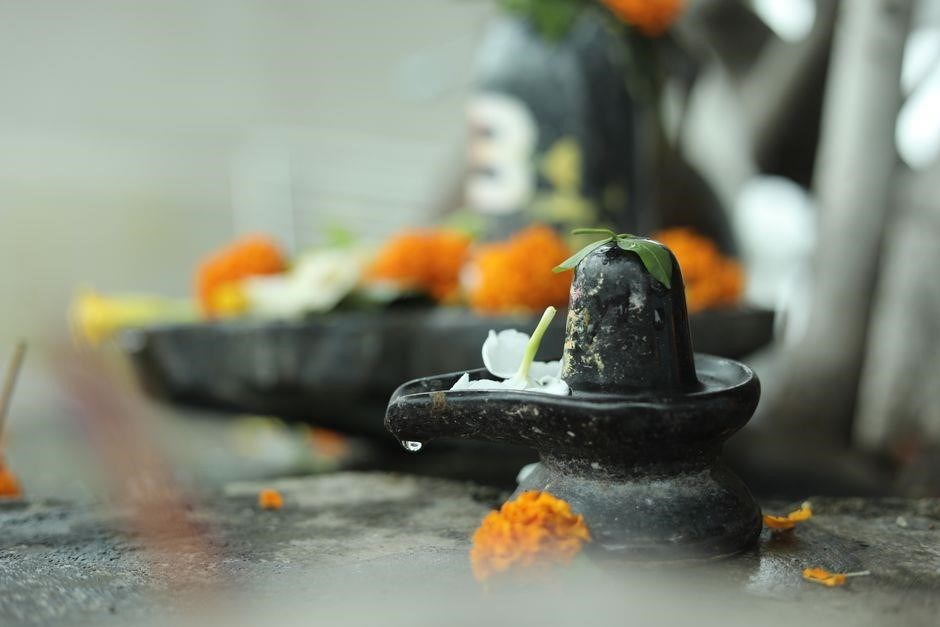
Use the PDF for daily chanting, study, and meditation․ Align verses with breath cycles, record recitations, and share in study groups․ The text aids linguistic research, devotional practice, and cultural preservation, making it a versatile resource․Use it daily and share․
Meditation and Spiritual Practice Benefits
The Rudram Chamakam PDF becomes a daily companion for those seeking inner calm and spiritual depth․ By chanting the rhythmic verses with mindful breath, practitioners align heart rate variability, fostering relaxation and lowering cortisol․ The repetitive mantra structure strengthens neural pathways associated with focus, enabling sustained attention during long sessions․ As the mind settles, subtle shifts in consciousness emerge, allowing one to experience heightened awareness of the present moment․ The devotional tone invites gratitude, compassion, and a sense of unity with the divine, transforming ordinary mindfulness into a transcendent practice․ The PDF’s transliteration and translation features allow seekers of all linguistic backgrounds to engage directly with the original Sanskrit, enhancing authenticity and personal connection․ Integrating the Rudram Chamakam into guided rituals—such as sunrise chanting, evening reflection, or communal gatherings—cultivates a disciplined spiritual habit that nurtures resilience, emotional balance, and a deeper sense of purpose․ Regular practice can improve sleep quality, reduce anxiety, and support emotional regulation, as the rhythmic cadence acts as a sonic anchor․ Ultimately, the Rudram Chamakam PDF serves as a versatile tool that bridges ancient wisdom with contemporary wellness, offering a structured pathway to inner peace and spiritual growth․ By engaging with this PDF daily, practitioners notice shift toward greater equanimity compassion and profound inner harmony․! daily!
Legal and Ethical Aspects
The Rudram Chamakam PDF is a valuable resource for spiritual practice․The Rudram Chamakam PDF is a valuable resource for spiritual practice․The Rudram Chamakam PDF is a valuable resource for spiritual practice․The Rudram Chamakam PDF is a valuable resource for spiritual practice․The Rudram Chamakam PDF is a valuable resource for spiritual practice․The Rudram Chamakam PDF is a valuable resource for spiritual practice․The Rudram Chamakam PDF is a valuable resource for spiritual practice․The Rudram Chamakam PDF is a valuable resource for spiritual practice․The Rudram Chamakam PDF is a valuable resource for spiritual practice․The Rudram Chamakam PDF is a valuable resource for spiritual practice․The Rudram Chamakam PDF is a valuable resource for spiritual practice․The Rudram Chamakam PDF is a valuable resource for spiritual practice․The Rudram Chamakam PDF is a valuable resource for spiritual practice․The Rudram Chamakam PDF is a valuable resource for spiritual practice․The Rudram Chamakam PDF is a valuable resource for spiritual practice․The Rudram Chamakam PDF is a valuable resource for spiritual practice․The Rudram Chamakam PDF is a valuable resource for spiritual practice․The Rudram Chamakam PDF is a valuable resource for spiritual practice․The Rudram Chamakam PDF is a valuable resource for spiritual practice․The Rudram Chamakam PDF is a valuable resource for spiritual practice․The Rudram Chamakam PDF is a valuable resource for spiritual practice;The Rudram Chamakam PDF is a valuable resource for spiritual practice․Ethics!